FROM THE ARTICLE - “SHE SHOOTS LIKE A SEVEN YEAR OLD”:
Before I knew what ‘photography’ was, I knew what what felt important.
We have all read stories that begin with “I was an unusual child”, but I truly felt different to most of the children around me. As a child I didn’t experience objects as objects. Toys were more than toys, objects were not just inanimate. They had moods, feelings and they waited for me. I felt their pain if they were discarded or thrown away. I was also (painfully aware) of the impermanence of it all.
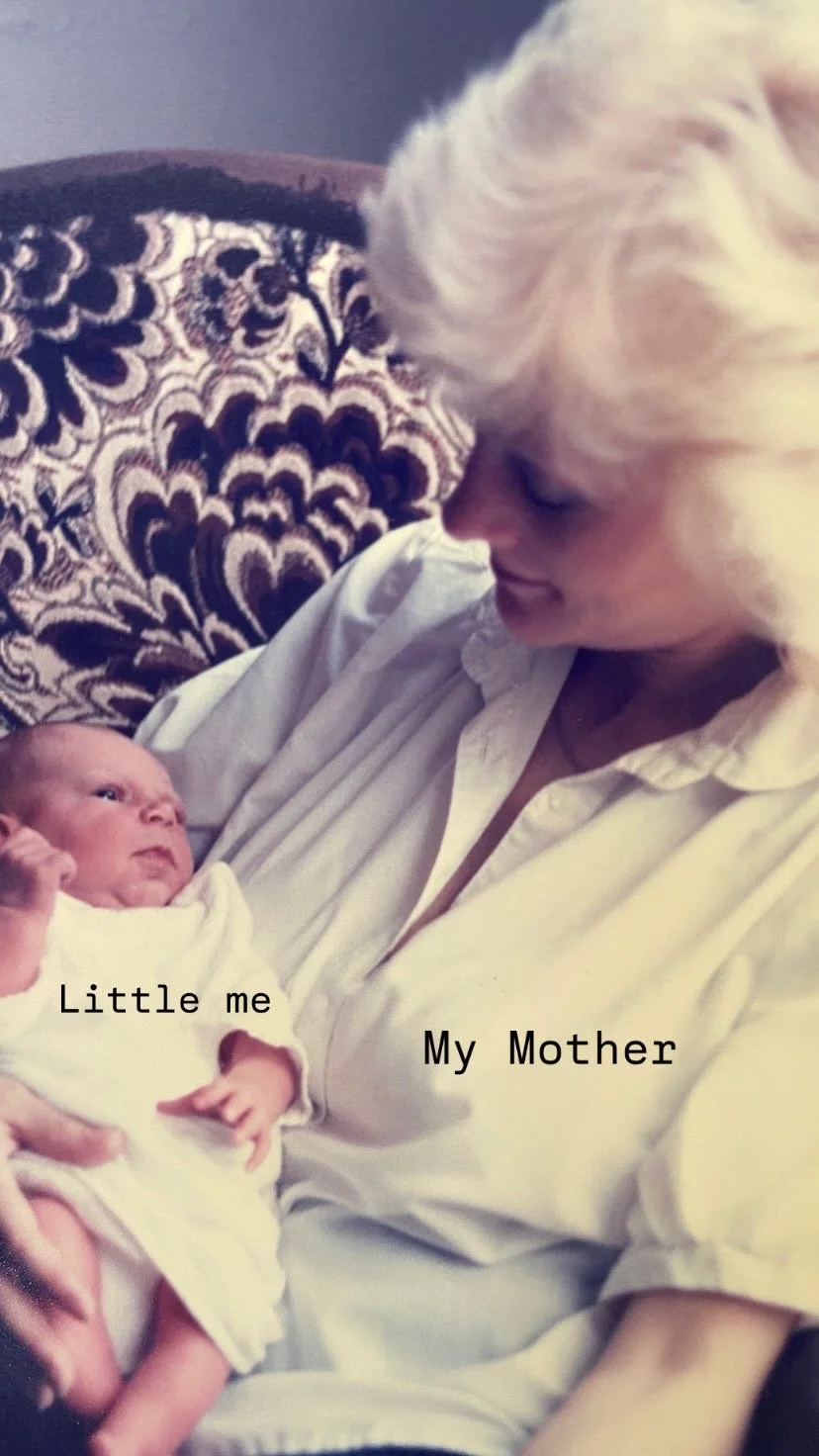
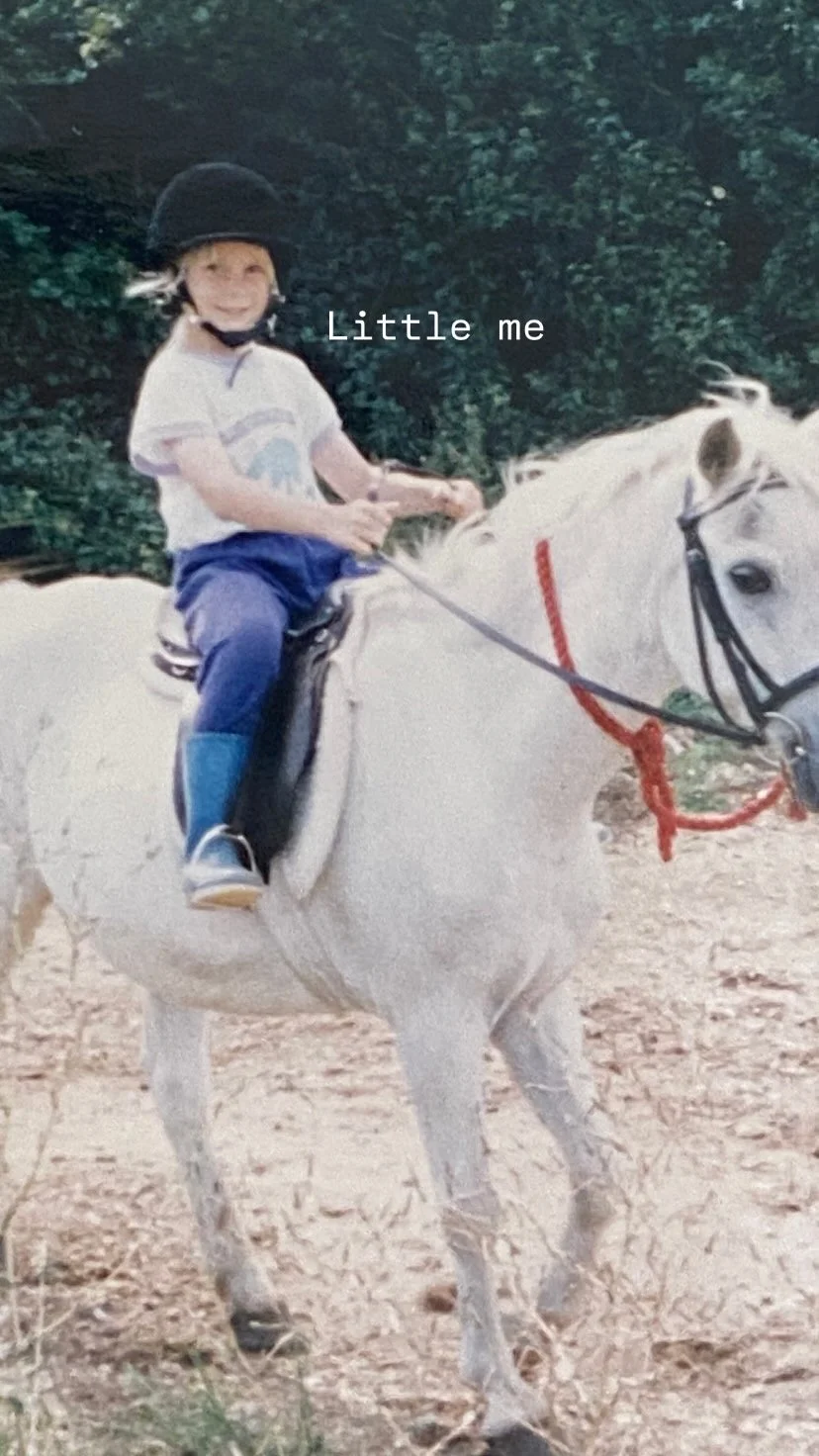
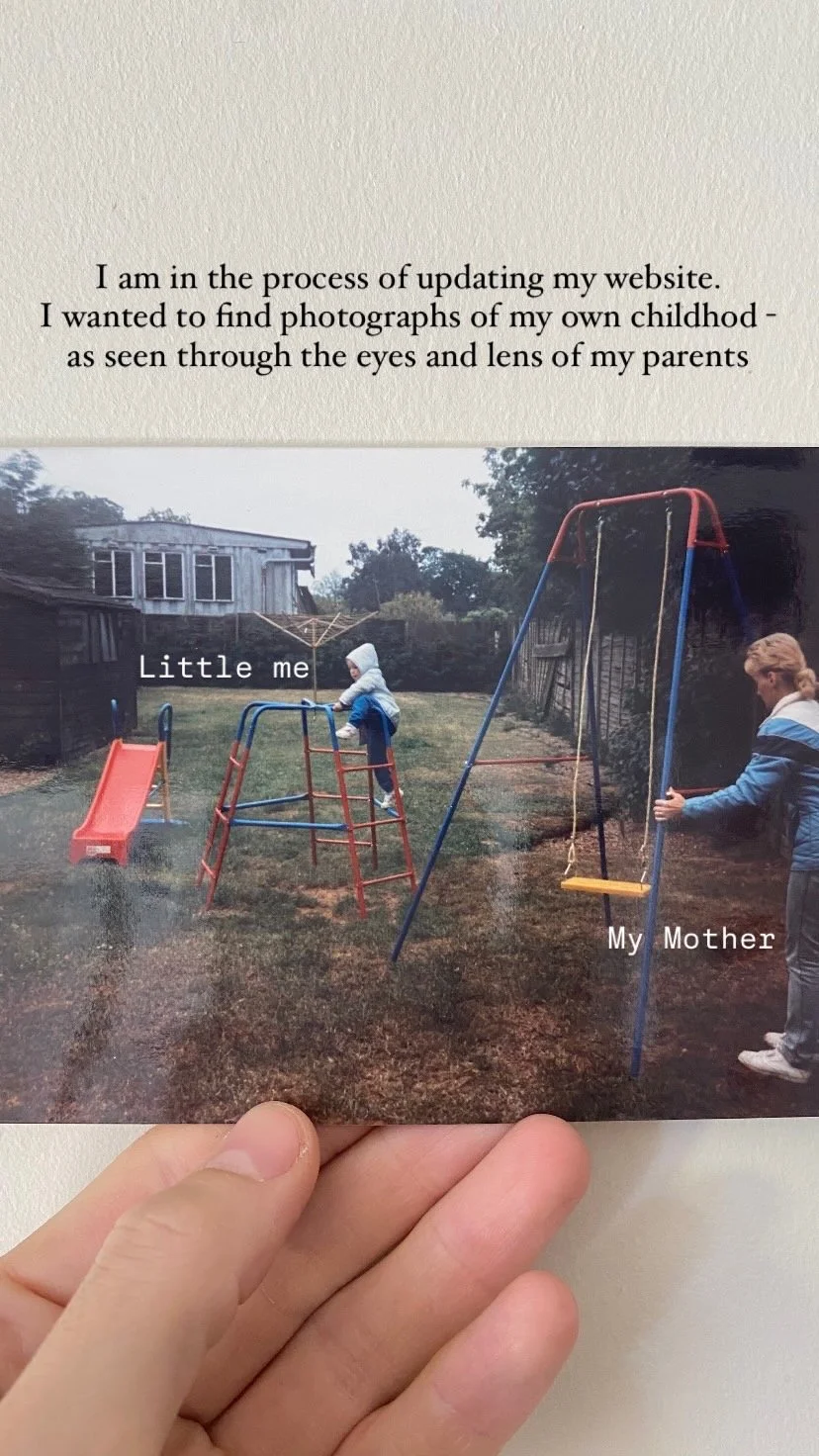
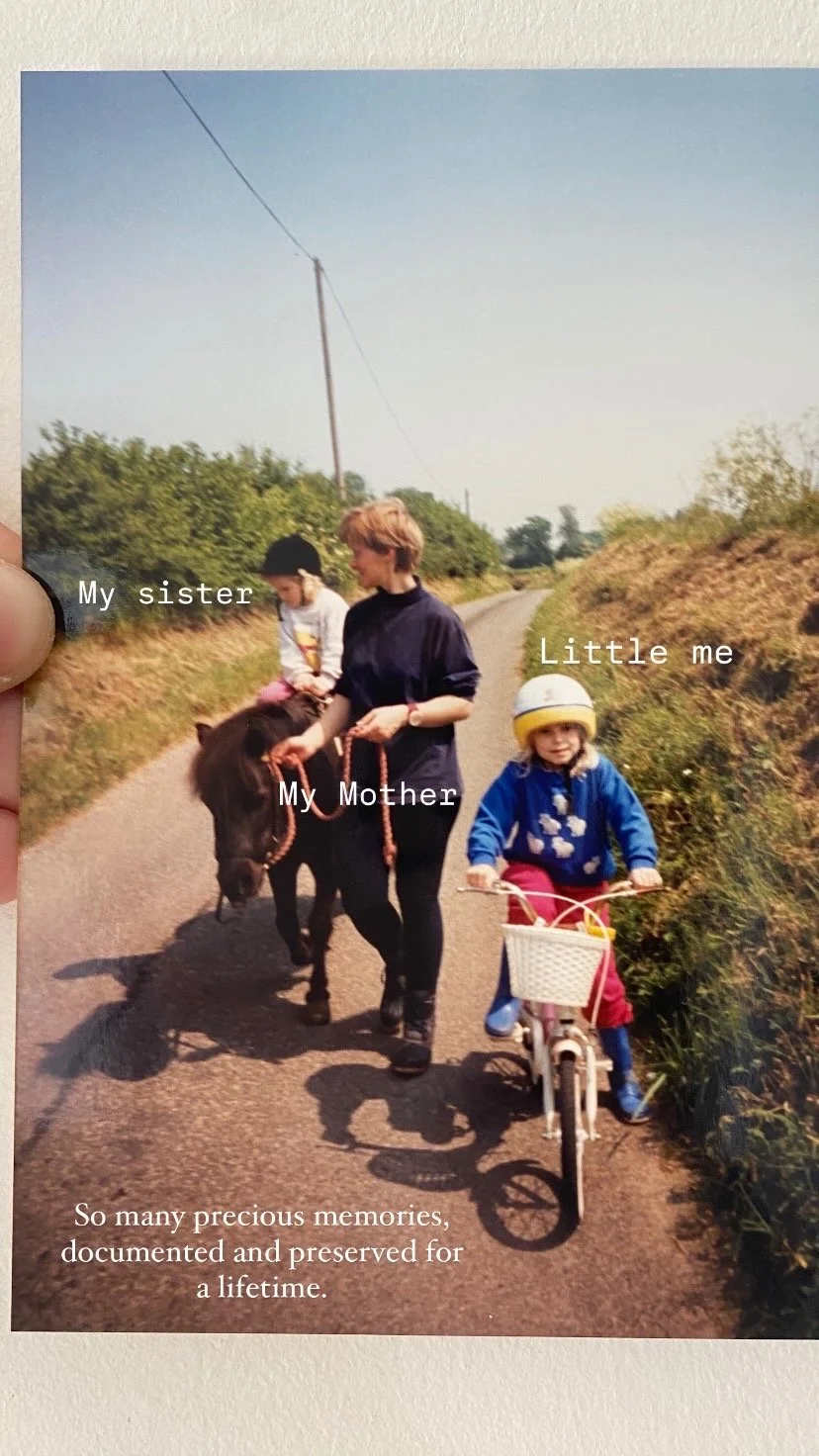
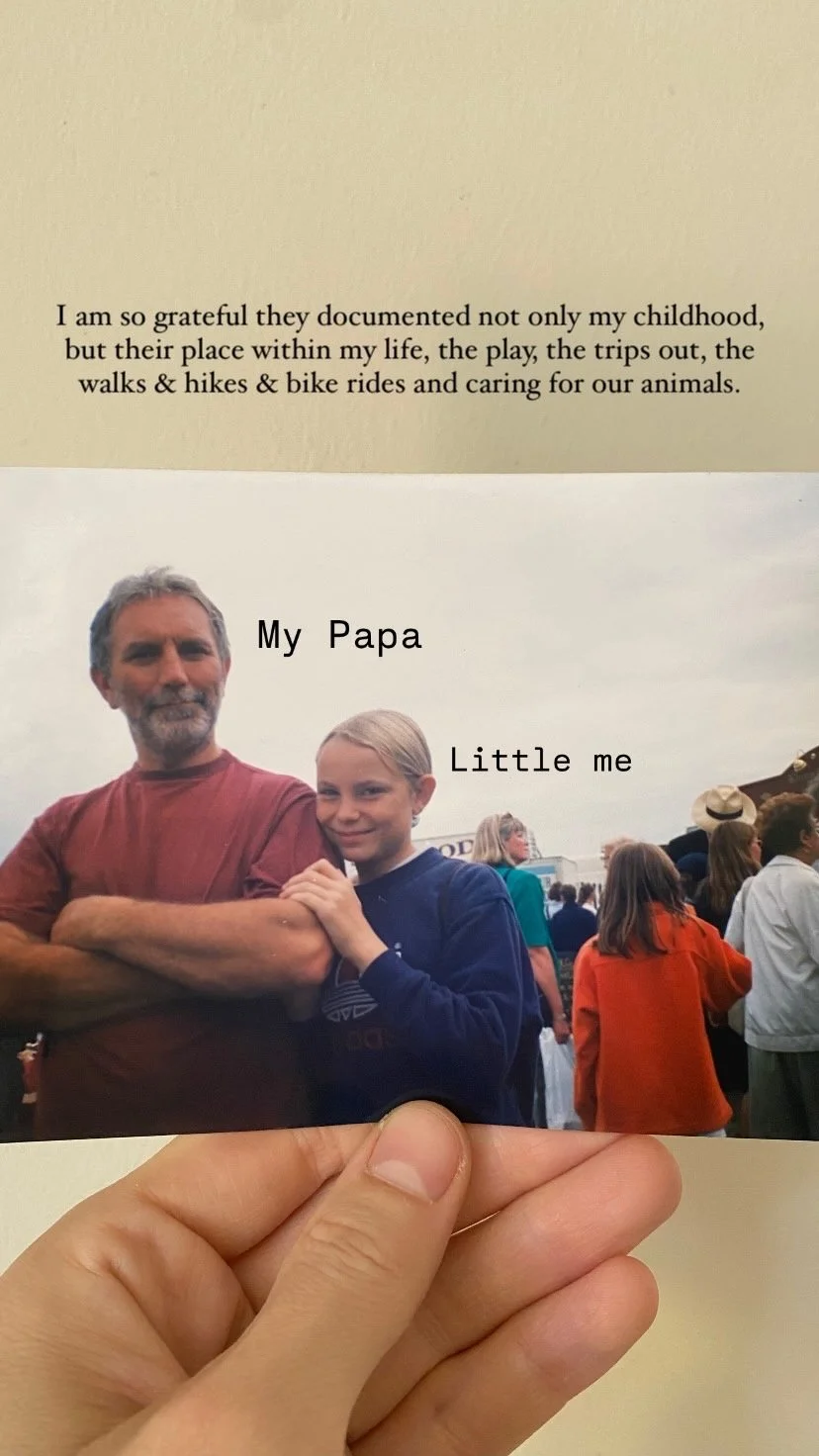
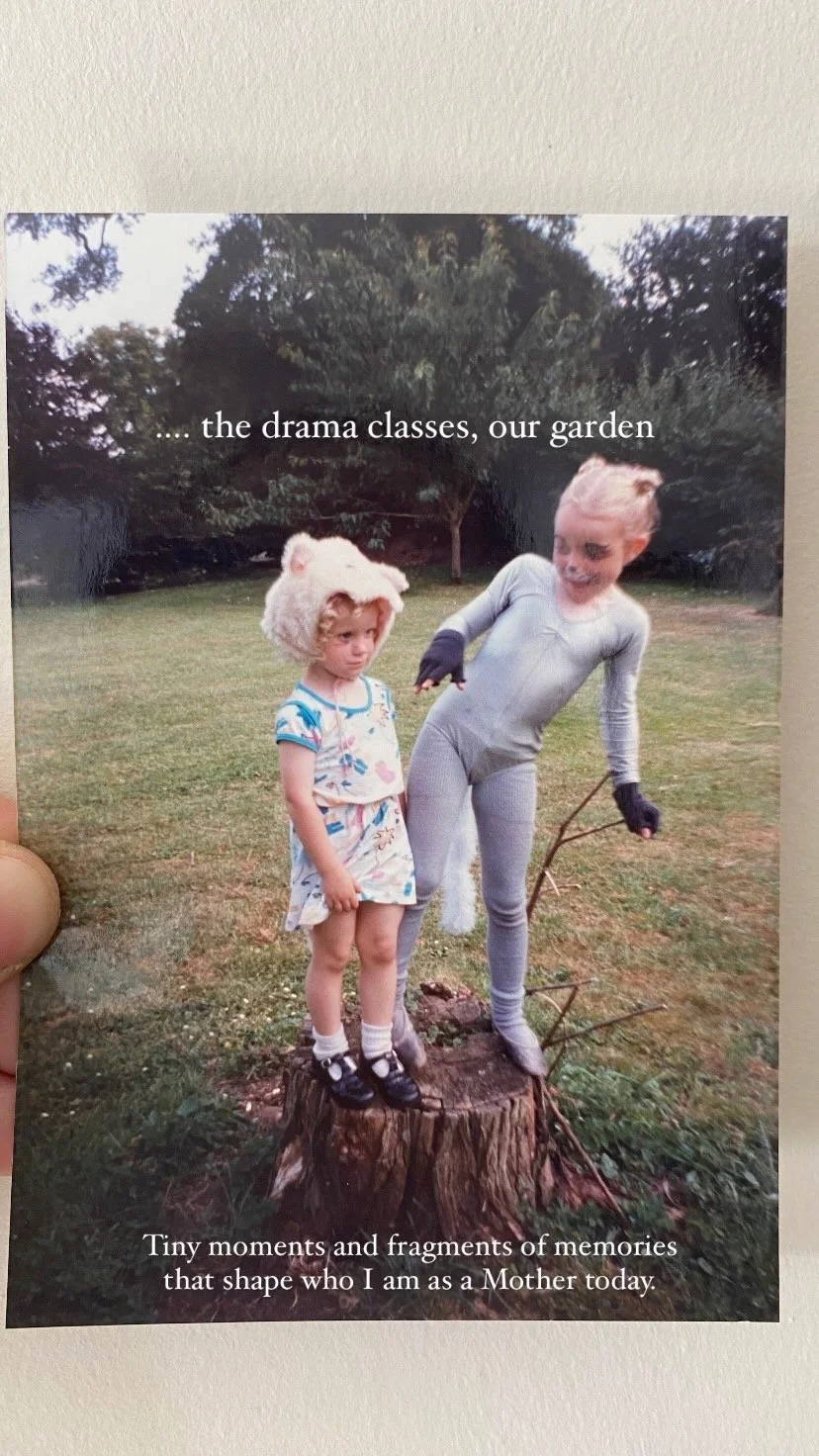
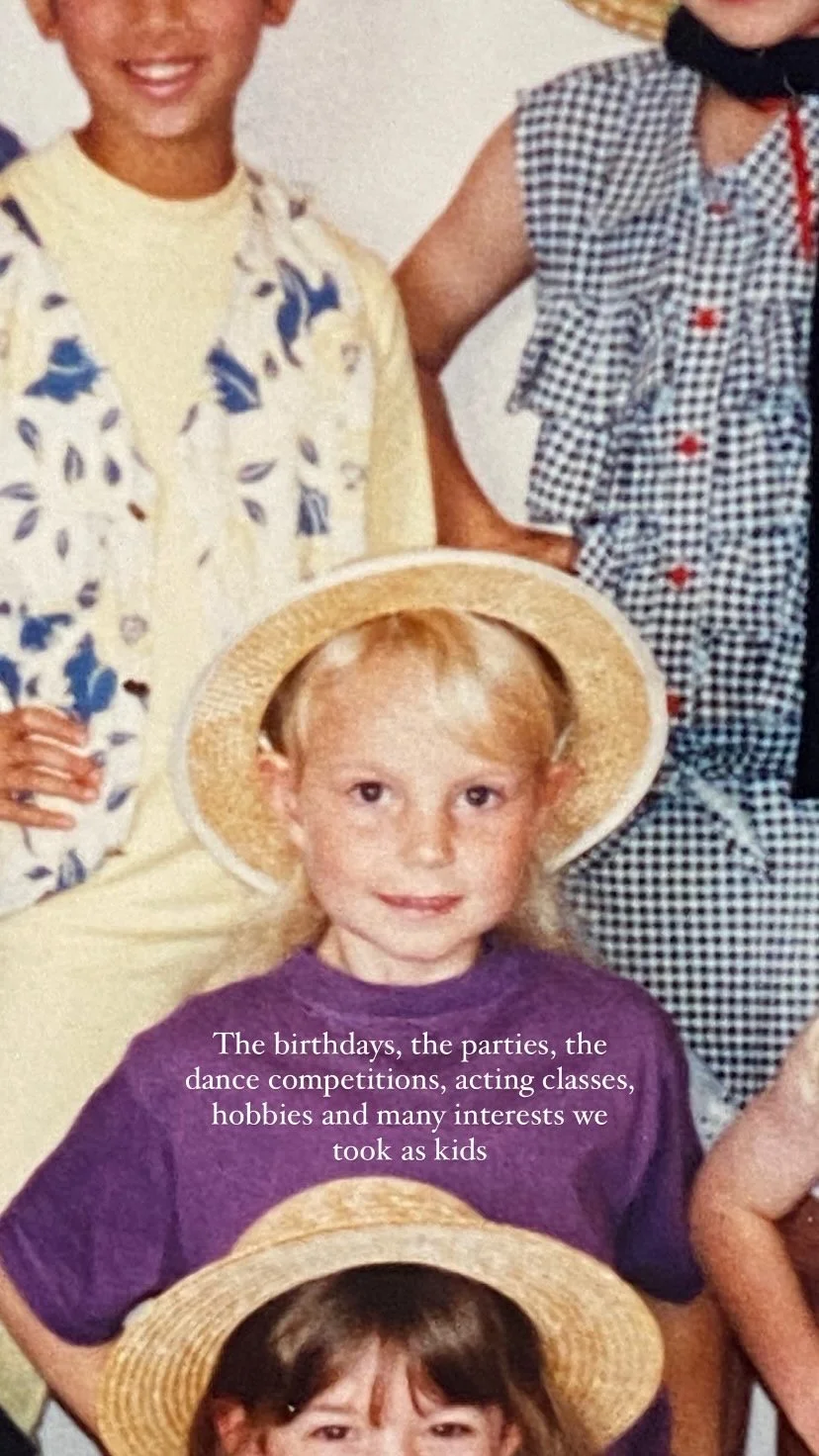
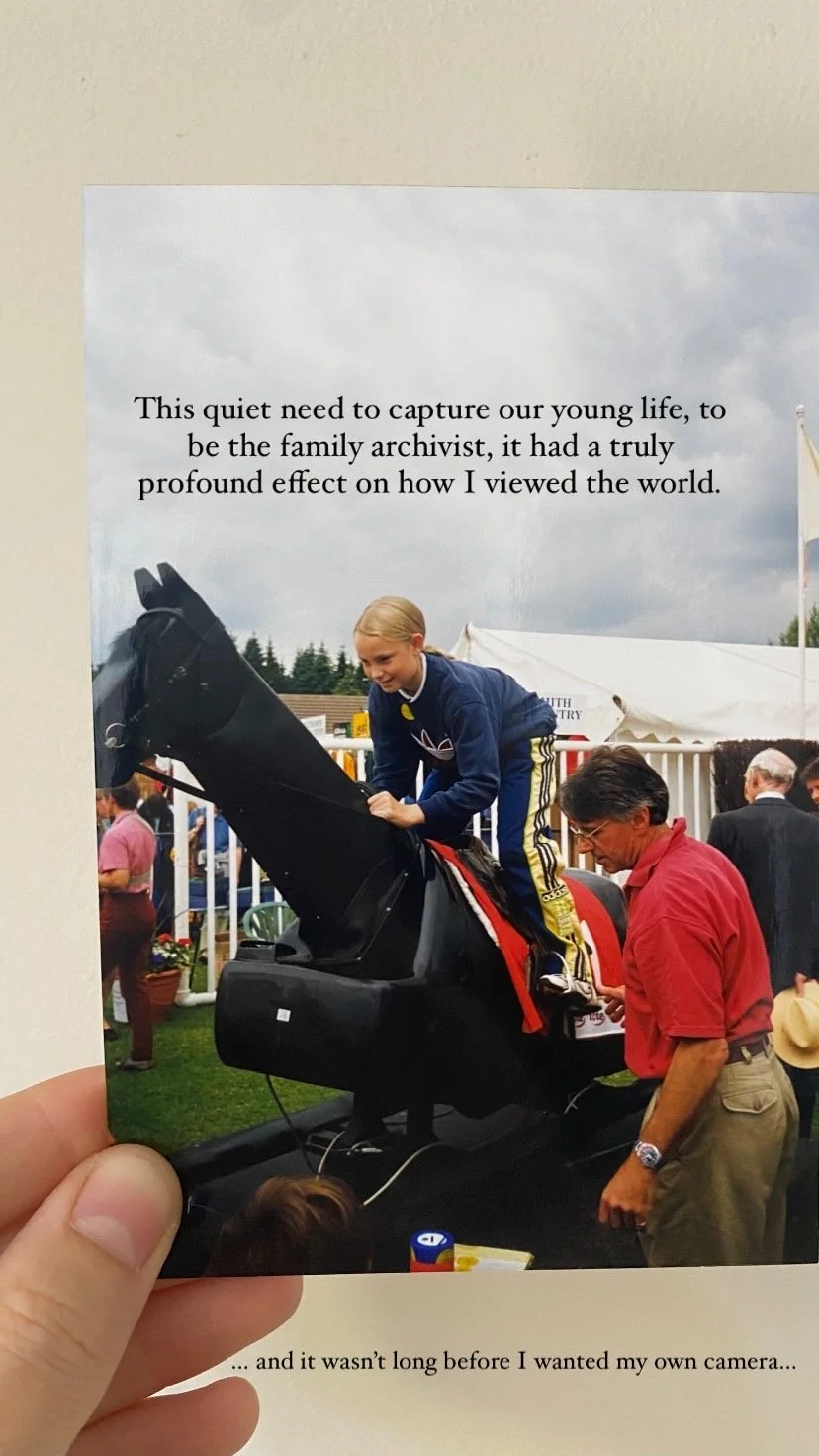
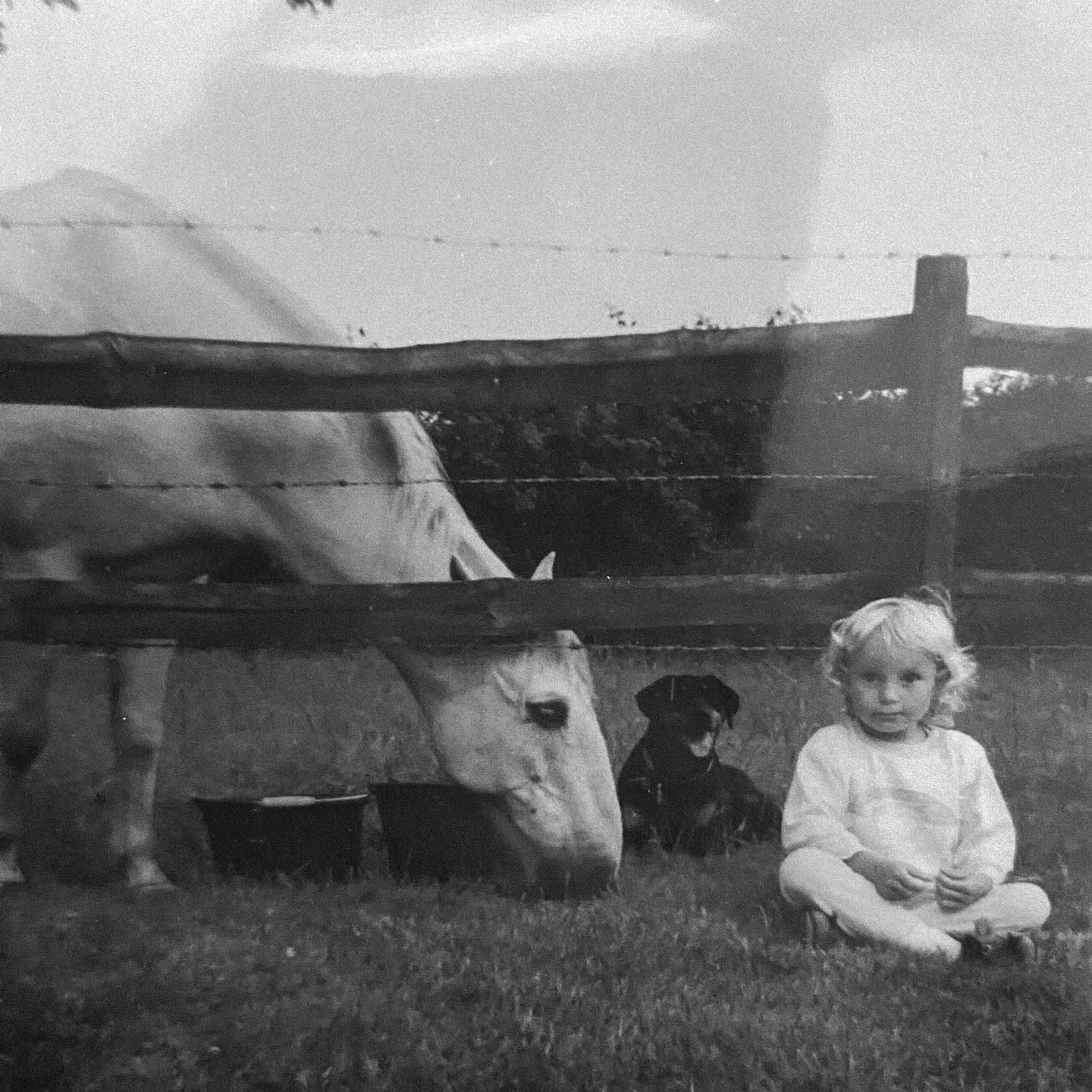
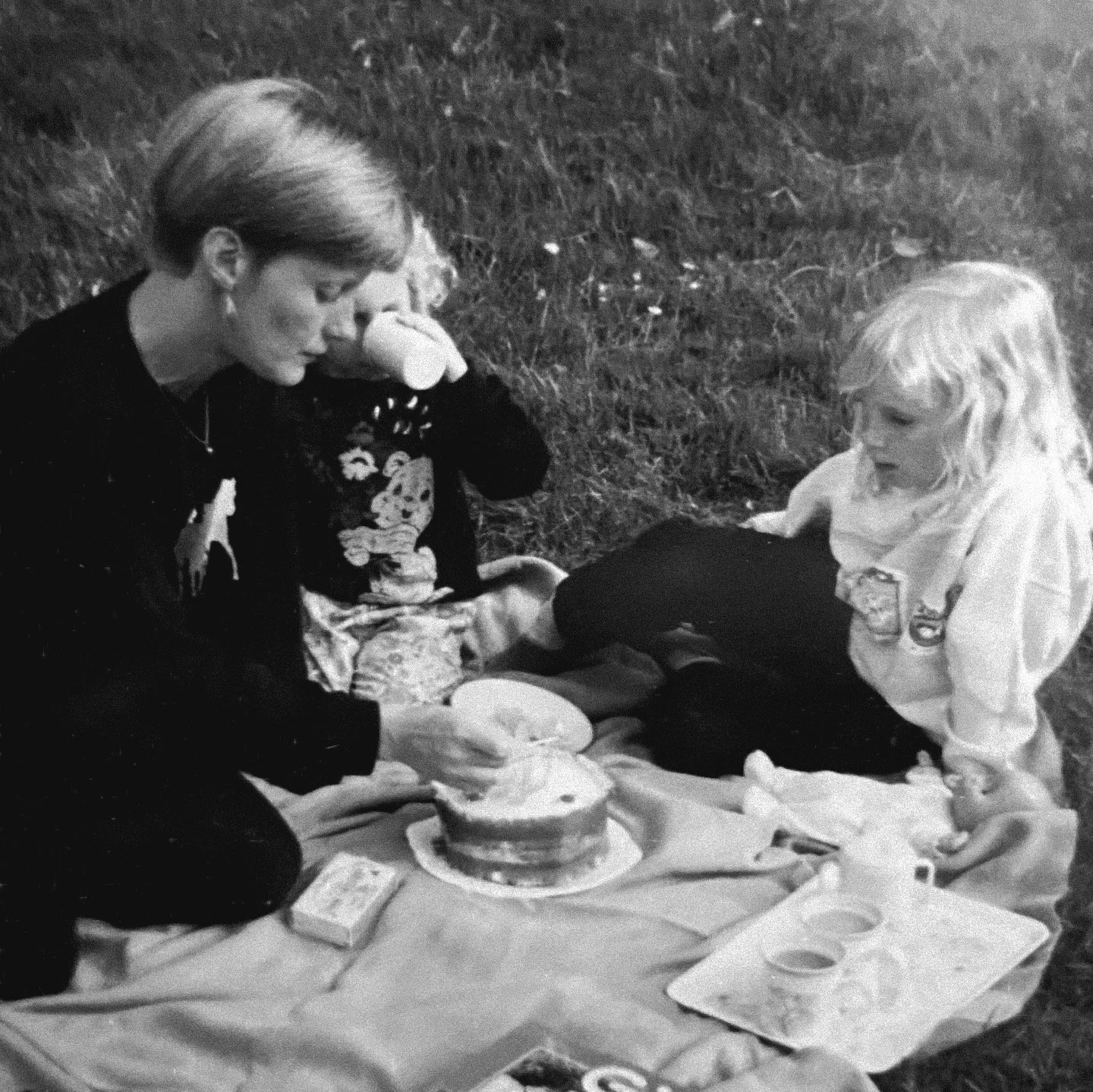
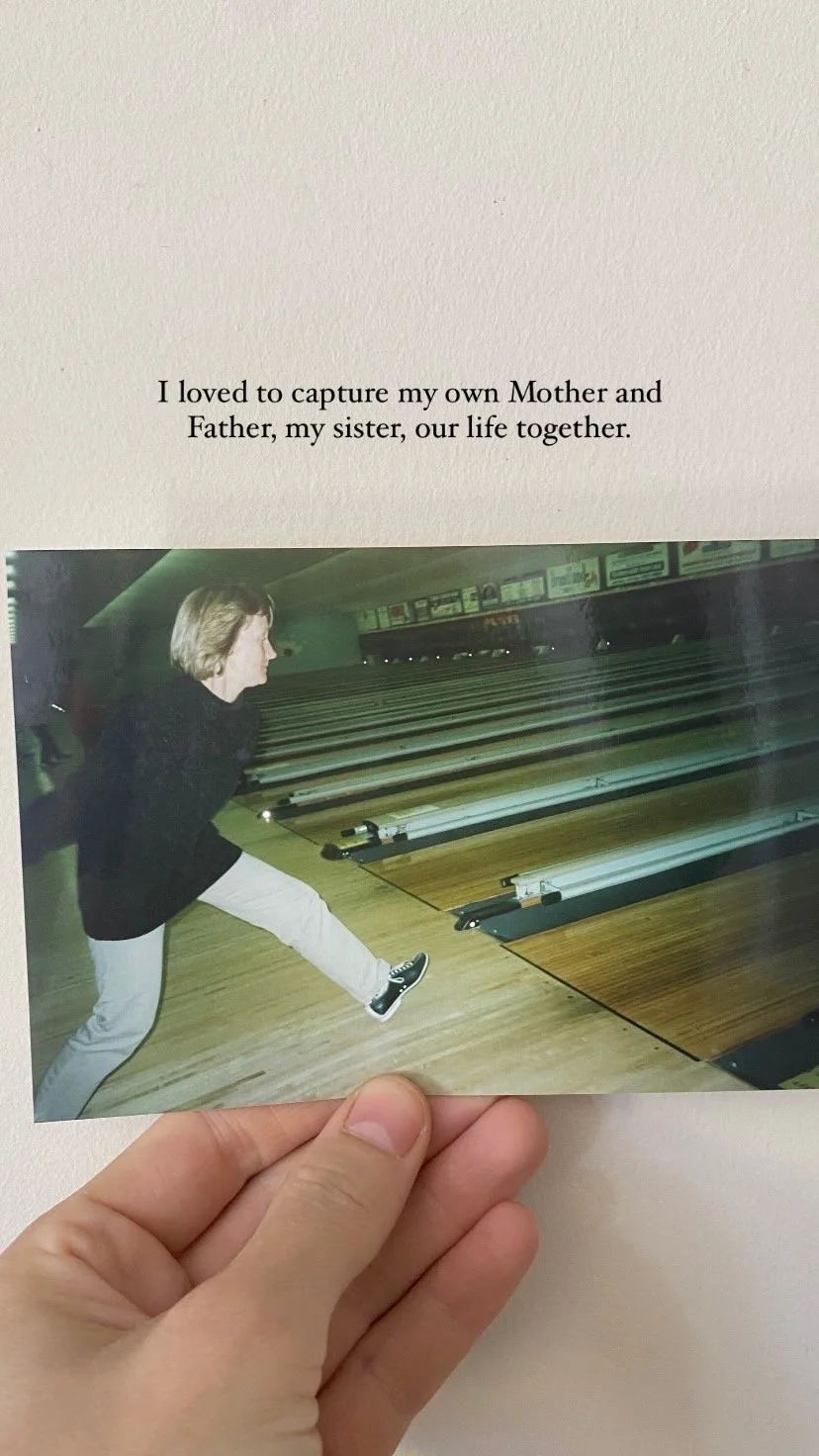
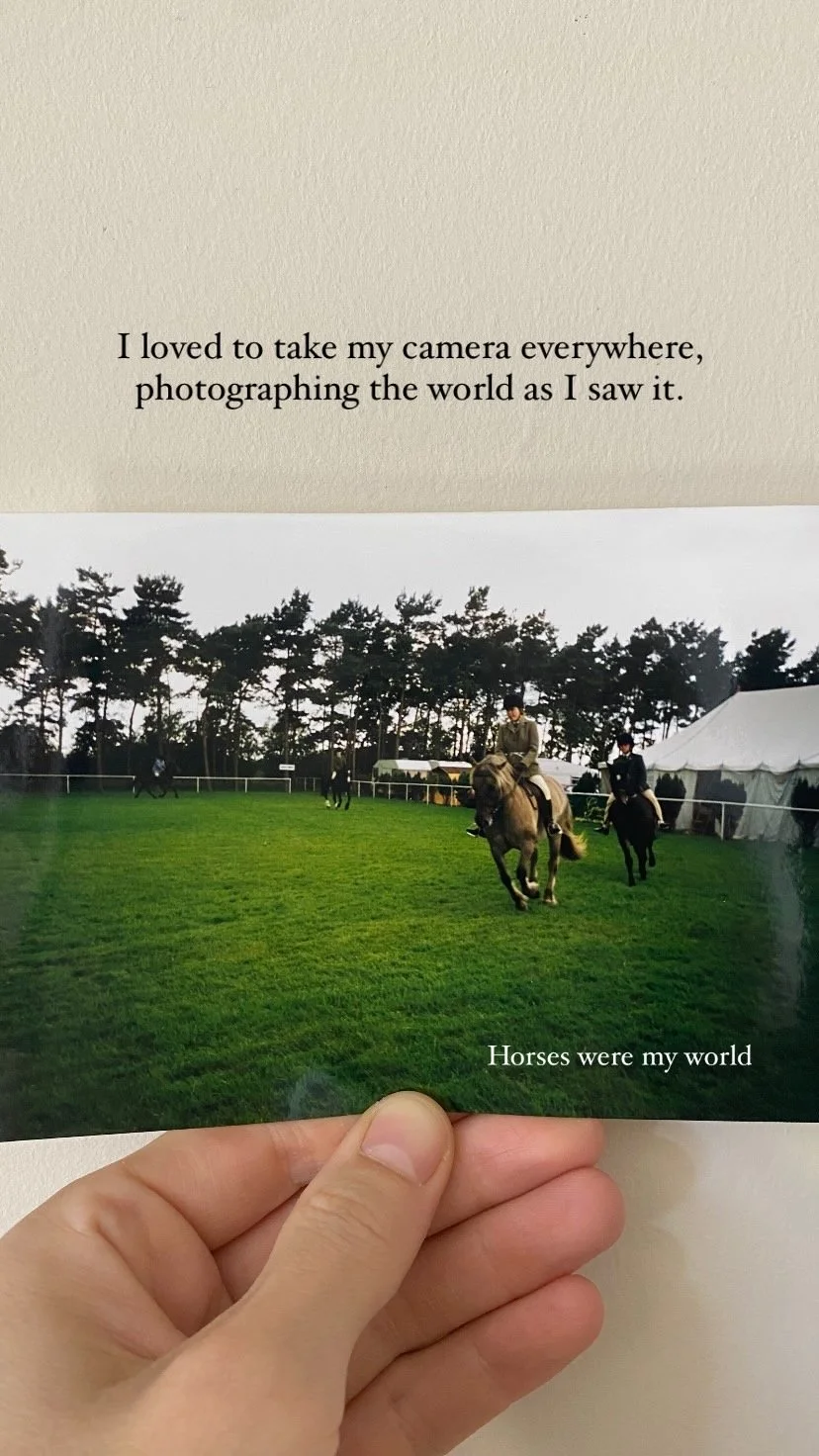
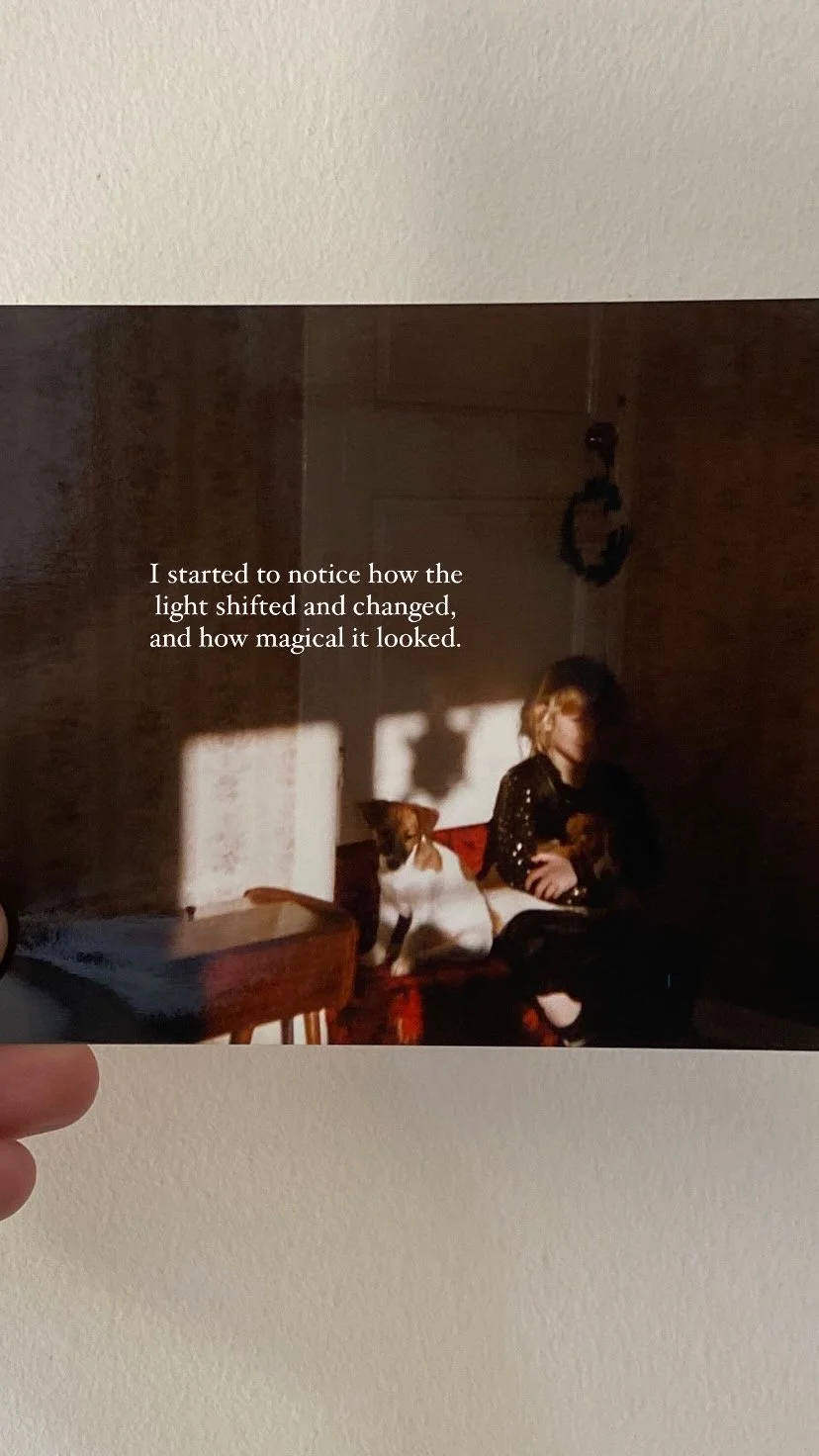
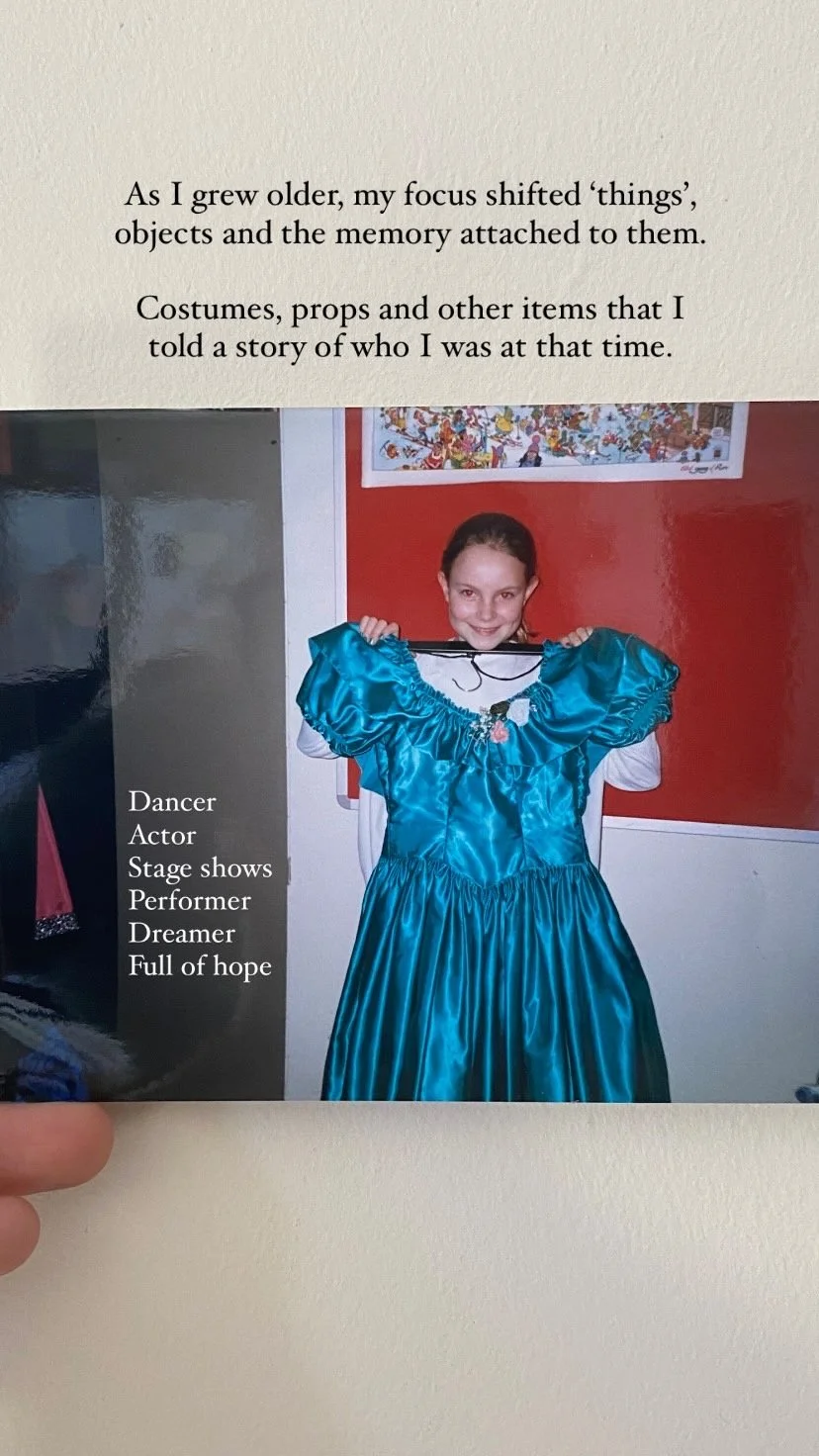
I grew up in the 90’s, my earliest memories are of Birthdays being recorded on my Mothers little point and shoot, Kodak Moments and the gentle hum of the VHS tape player; family memories playing out as our own cinematic experience. Photography was my Mother’s way of remembering. Preserving the moment of celebration, accolades or awards, school plays, ballet shows, horse events or a picnic in the garden. This was important to her. This was urgent.
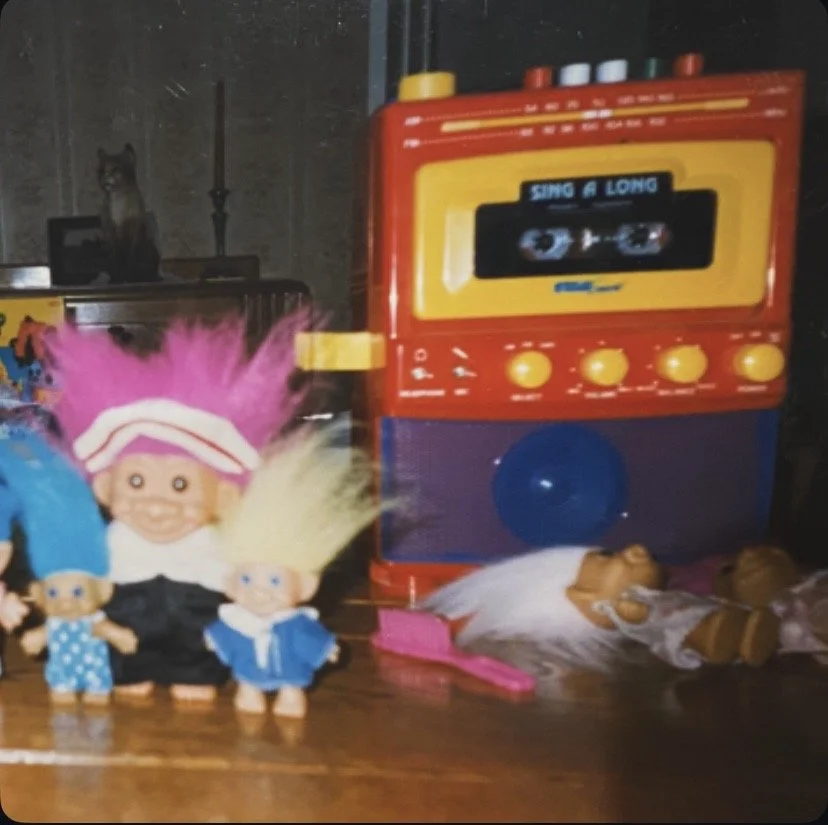
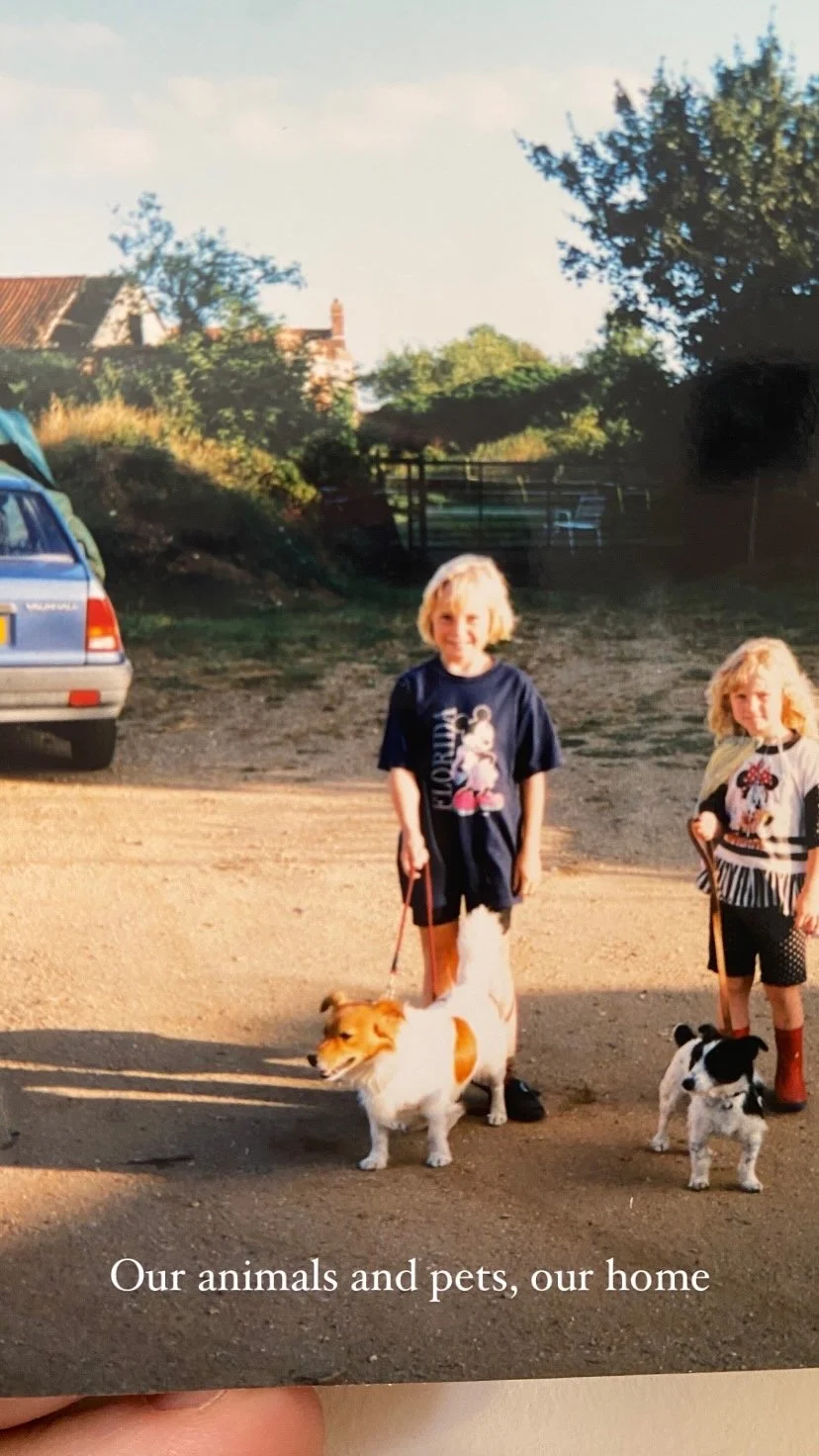
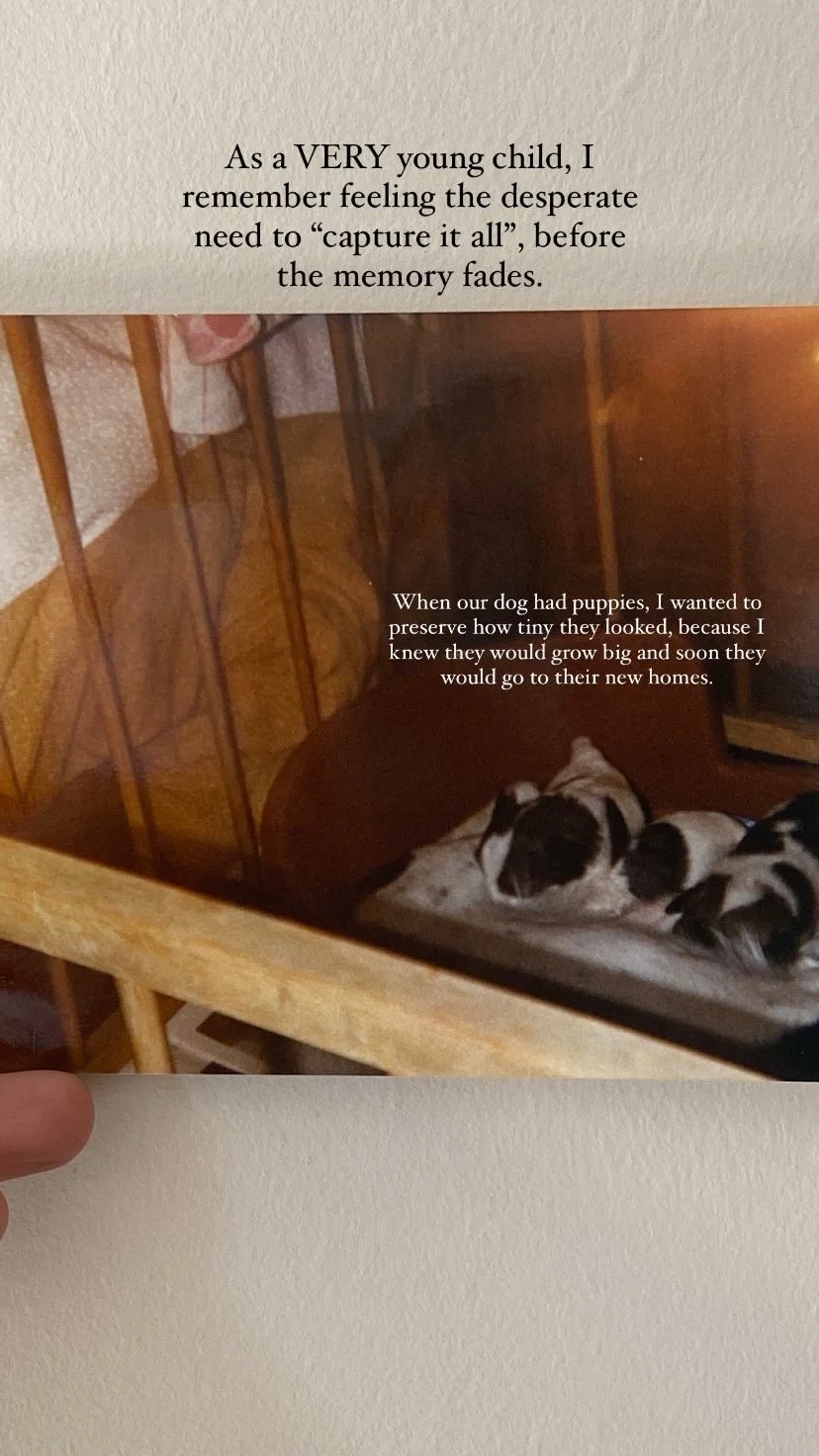
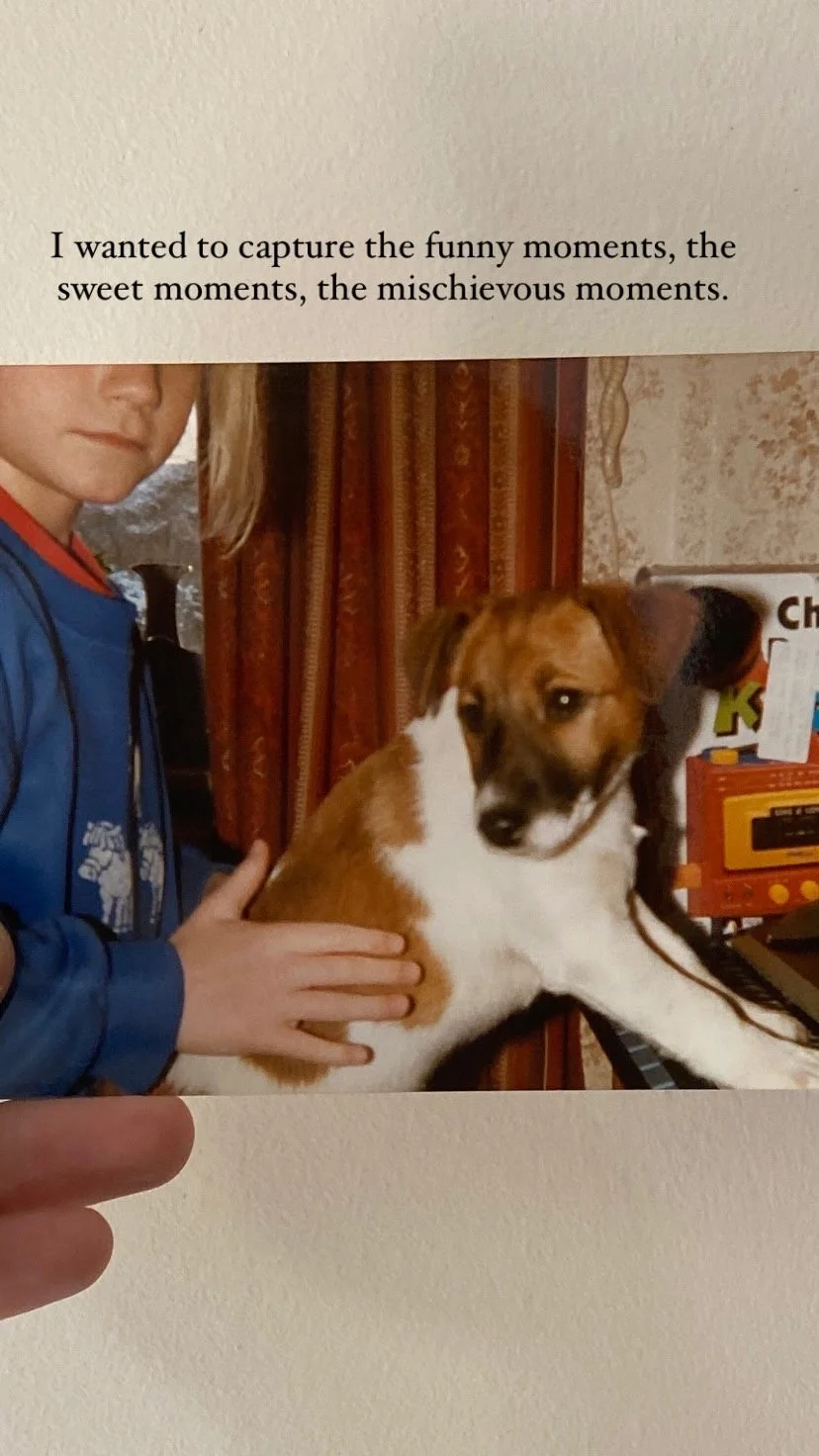
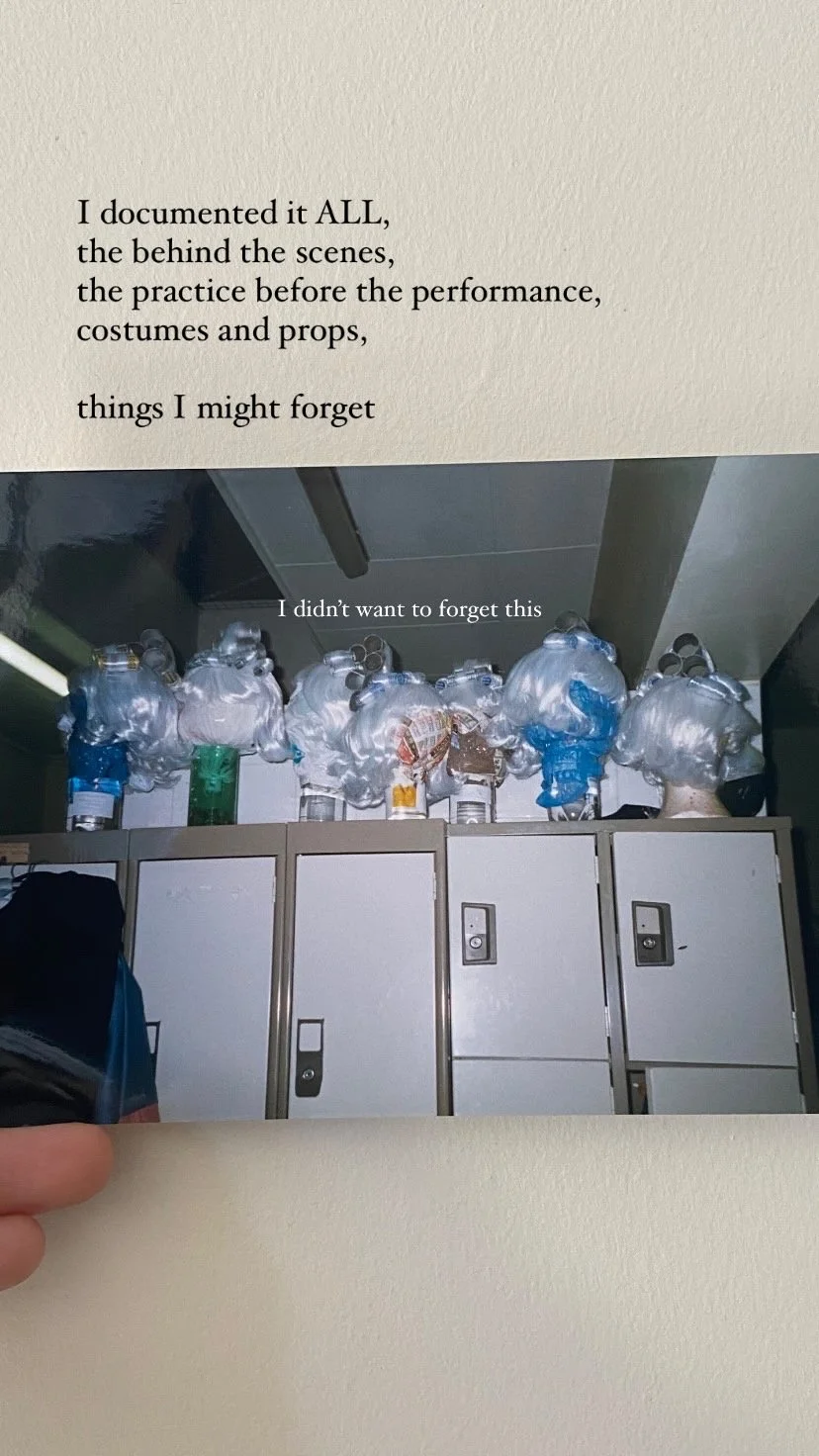
As soon as I could get my hands on my parents camera, I made pictures of everything that was dear to me. I photographed my pets, our horses, flowers in the garden. But mostly I photographed my toys lined up on the table like dignitaries at a summit. They were so important to me. Neon hair exploding like fireworks, my first ‘sing-along’ karaoke machine glowing red and yellow behind them like a stage show (pictured above).
The flash was harsh, the framing was super blunt, nothing here was subtle, it was urgent and important. Everything mattered and I took the picture. I felt responsible for them in a way that feels almost embarrassing to admit now. I believed they could feel when they were ignored and I believed they knew when I was about to outgrow them.
So I photographed them before they might disappear. Before I changed. Before their neon hair would dull over time.
I was trying to save them.
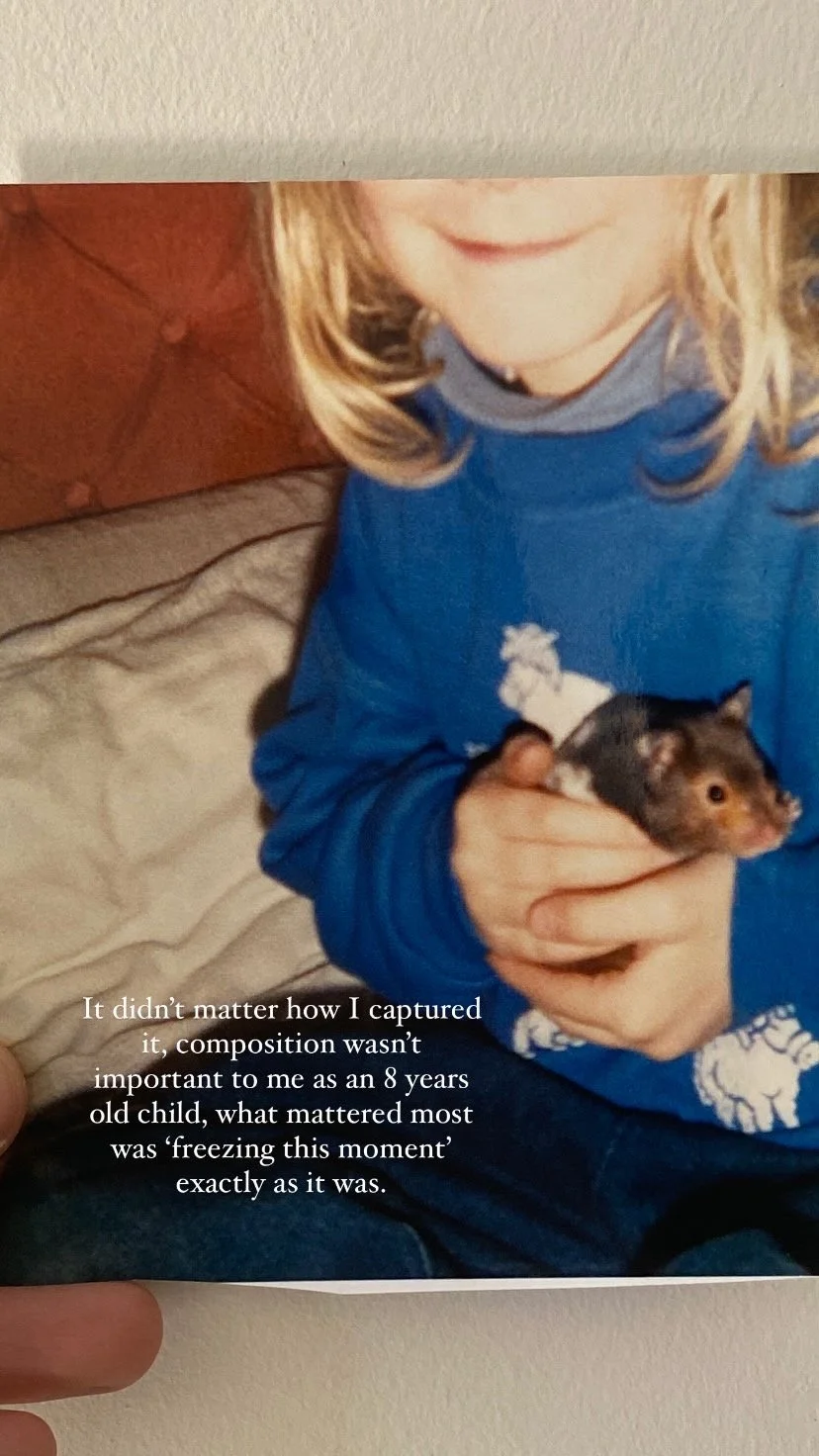
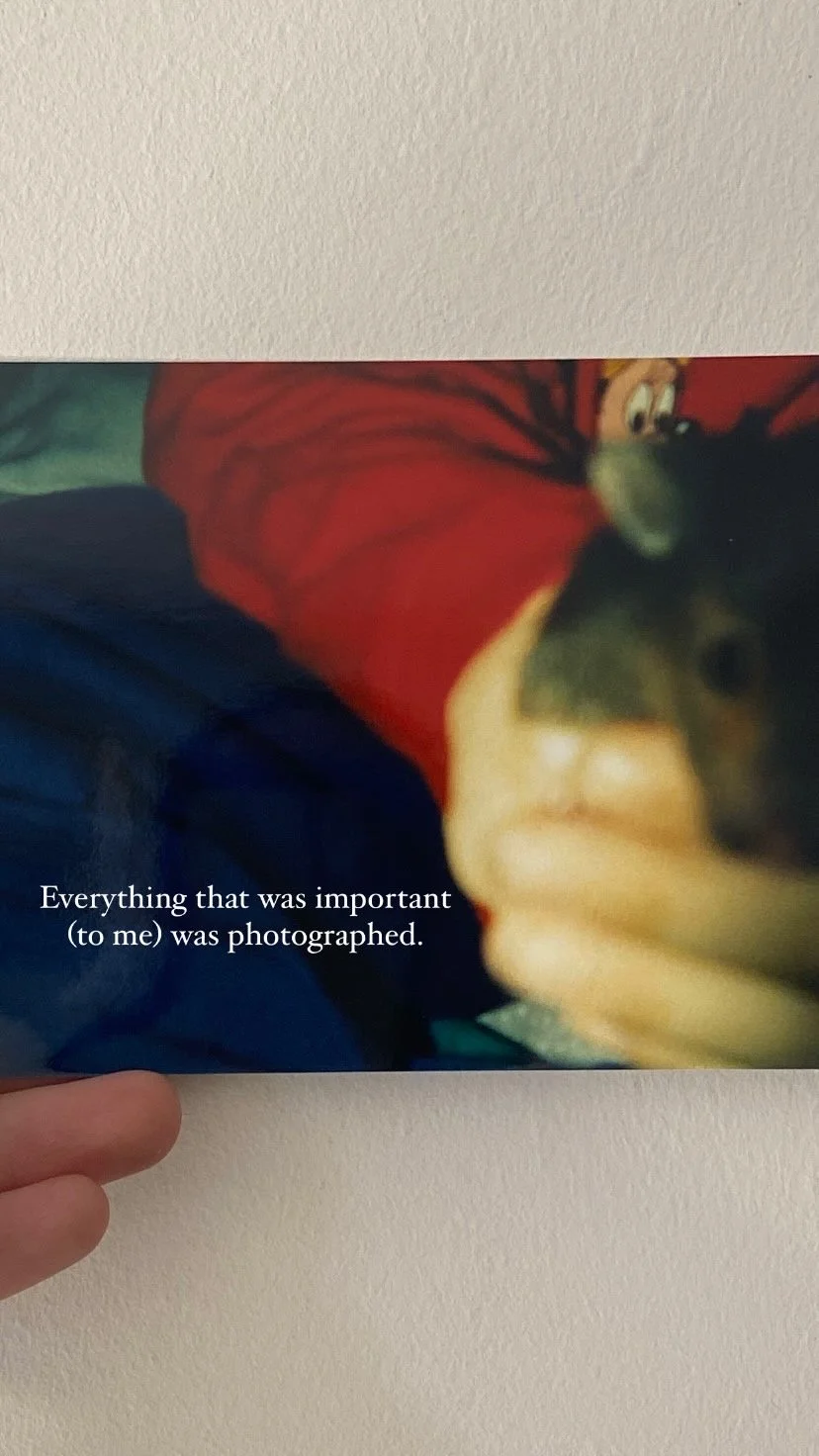
When my hamster died, I shot an entire roll of film, yes, all 36 exposures, every angle, capturing my dead hamster. I didn’t want to forget him. You can imagine my poor parents surprise when the film was developed, some 7 days later.
Looking back, I now know that I felt things FULLY.
Photography was just an extension of that. That is how I took photographs as a seven year old child.
I didn’t wait for permission, or the perfect lighting or perfect conditions. I didn’t ask if it was art or if it conveys a deeper meaning. I photographed what I felt connected to.
The photographs I made were not “technically correct” and the colours were soft and imperfect, like the memory itself. At seven I didn’t know what composition meant, but I had an inner knowing (call it intuition) that the subject felt more important than the “how”.
I was shooting on analogue without knowing that word either.
Even now, with years of Film and Photographic studies behind me, better cameras and more experience, I am still chasing the same childhood instinct.
I am drawn to scenes that feel staged by accident, objects with personality, people mid-action and light that doesn’t exactly behave. Analogue photography is not nostalgic for me.
It is continuity.
It demands commitment. It asks you to decide: is this worth one of your frames? That question hasn’t changed since childhood. What has changed is my photographic vocabulary, articulating “why” I am pulled toward saturated colour and flash in daylight, why scenes sometimes feel off-centre and my tenderness towards the ordinary.
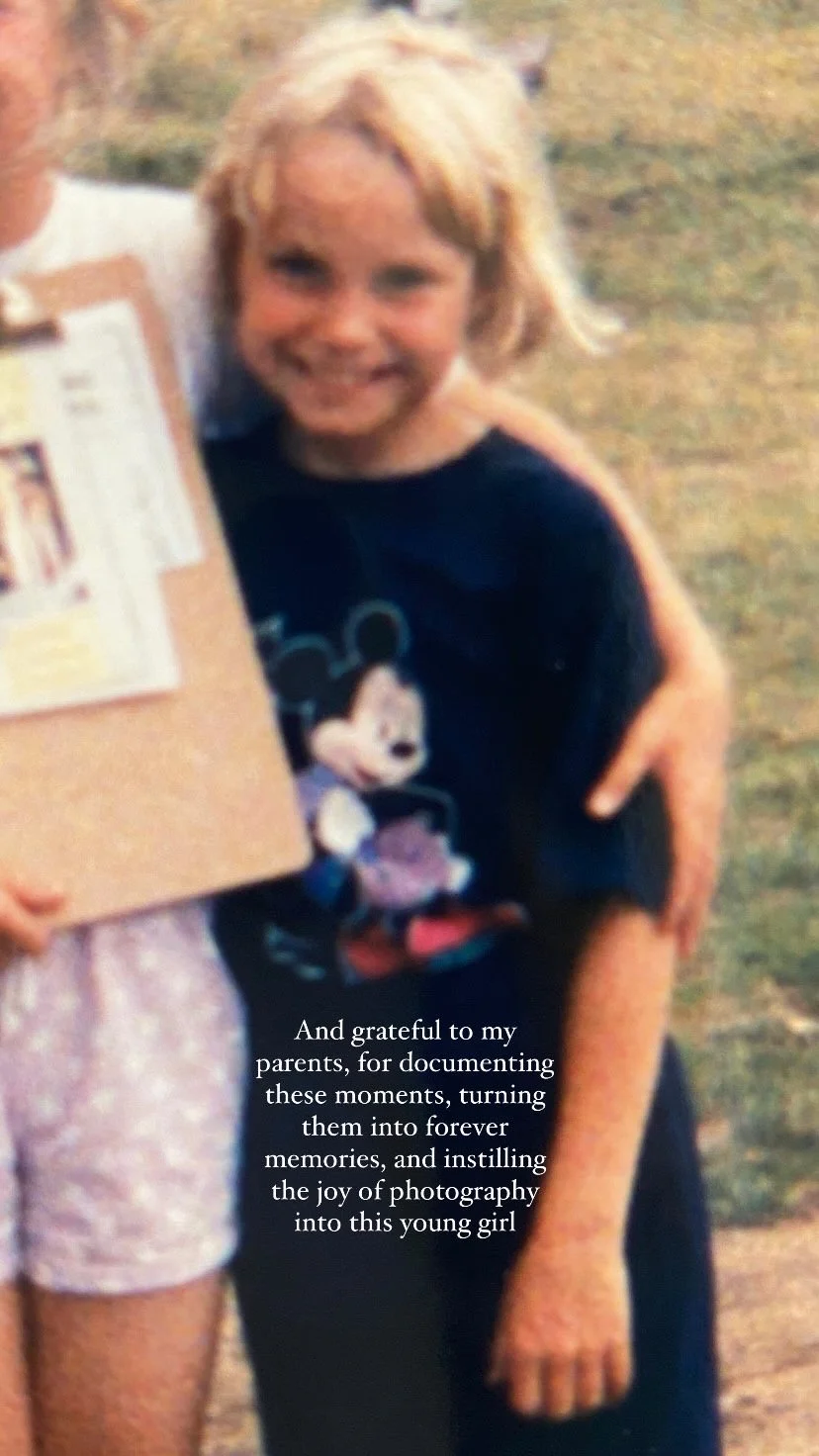
As a seven year old girl, I photographed what I loved because I loved it/them.
Looking at those early images, I see the blue print. Bright colour, direct flash, the camera was my way of holding on to everything that was dear to me.
Analogue still gifts that to me. When I press the shutter now, I am not trying to recreate childhood, I am honouring the way I saw then, I am honouring my inner child.
Unfiltered. Close. Unembarrassed.
I still frame slightly too tightly, slightly too immediate. I still photograph hands, objects, half-finished gestures. I am still interested in the in-between.
When I take photographs, I am still that seven year old girl.
I hope she is proud of me.